


Neck pain is common among the working population and can limit daily mobility. In this context, osteopathic approaches emphasize movement and stability. The approach of cervical muscle strengthening exercises is often recommended to reduce tension and improve posture. Office workers, students, and remote workers are particularly affected by these issues.
Targeted neck strengthening can help reduce discomfort and prevent recurrence. A professional evaluation is recommended before starting.
Role of cervical muscles in posture

The neck muscles play an essential role in:
- Supporting the head (approximately 4 to 6 kg on average)
- Maintaining cervical and spinal alignment
- Stabilizing head movements
- Preventing chronic muscle tension
In cases of acute pain or sudden blockage, urgent osteopathic care may be recommended to quickly reduce tension and restore cervical mobility.
An imbalance or weakness in the neck muscles may lead to:
- Neck stiffness
- Tension headaches
- Radiating pain toward the shoulders
- Rapid muscle fatigue
Top 6 cervical muscle strengthening exercises
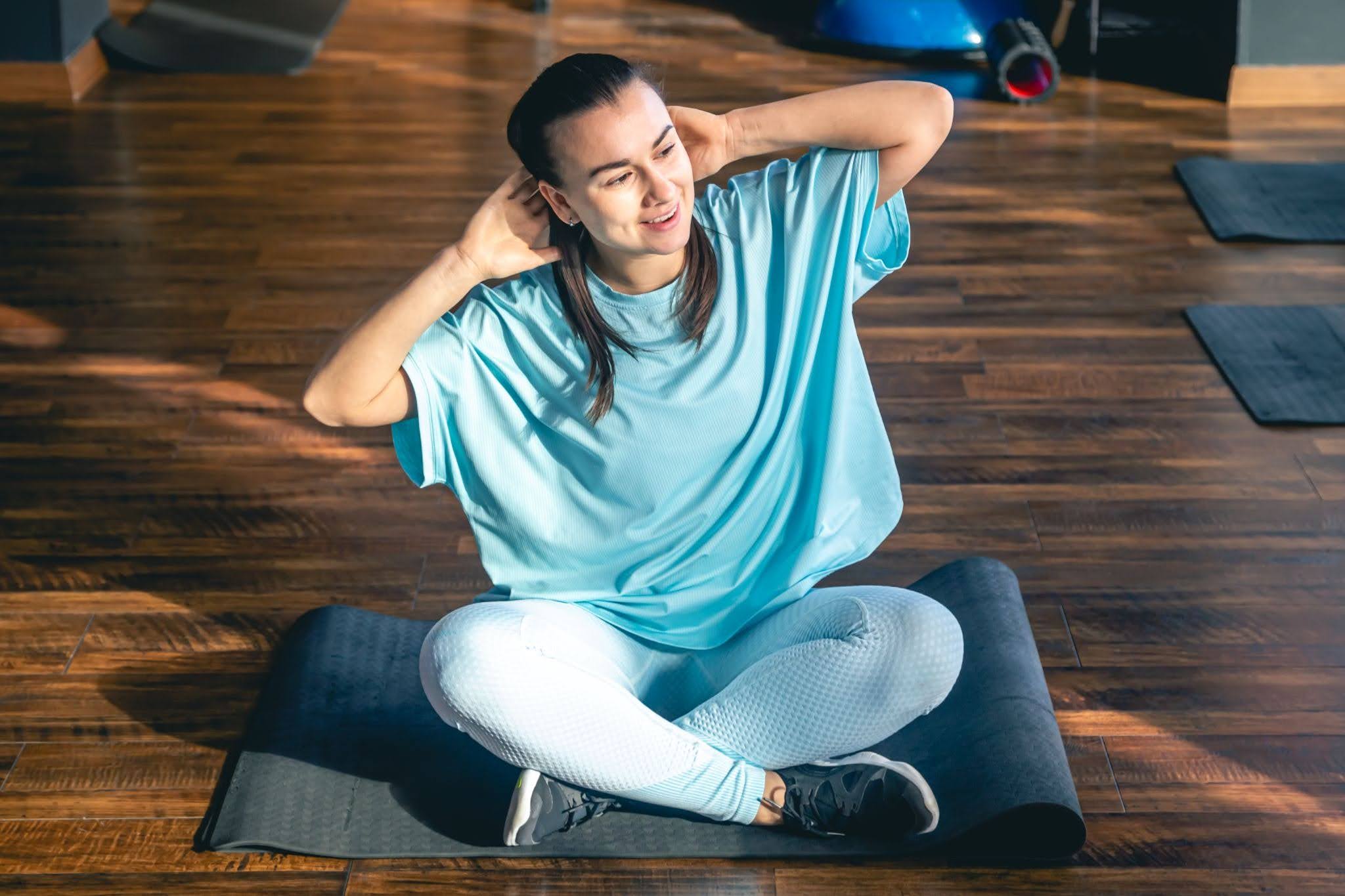
Before integrating cervical muscle strengthening exercises, it is important to follow certain guidelines:
- Avoid sudden or painful movements
- Maintain slow and controlled breathing
- Start without external load
- Prioritize movement quality over range of motion
- Consult a professional in case of persistent pain or recent trauma
1. Deep neck flexor activation
This exercise targets deep stabilizing muscles.
How to do it:
- Lie on your back
- Slightly tuck your chin (controlled double chin)
- Hold for 5–10 seconds
Benefits:
- Improves cervical stability
- Reduces overload on superficial muscles
2. Cervical retraction in seated position
A fundamental exercise for desk posture.
How to do it:
- Sit with a straight back
- Pull the head backward without tilting
- Hold for a few seconds
Benefits:
- Corrects forward head posture
- Reduces neck tension
3. Isometric resistance with hands
A simple and effective no-equipment exercise.
How to do it:
- Place your hand against the forehead or back of the head
- Push without moving the neck
- Hold for 5 seconds
Benefits:
- Safely strengthens neck muscles
- Improves overall stability
4. Controlled lateral flexion
Targets lateral cervical muscles.
How to do it:
- Gently tilt the head toward the shoulder
- Slowly return to center
Benefits:
- Improves lateral mobility
- Reduces asymmetrical stiffness
5. Slow cervical rotation
A controlled mobility exercise.
How to do it:
- Slowly turn the head left and right
- Keep shoulders relaxed
Benefits:
- Improves joint flexibility
- Reduces functional blockages
6. Gentle neck extension
To be performed with caution.
How to do it:
- Slightly tilt the head backward
- Avoid excessive compression
Benefits:
- Balances muscle activation
- Completes overall strengthening
Common mistakes to avoid
When performing cervical muscle strengthening exercises, certain mistakes can reduce effectiveness and increase neck tension. Improper execution may also delay recovery or worsen symptoms.
- Forcing range of motion: going too far can overload joints and muscles unnecessarily.
- Holding your breath during exercise: increases overall body tension and reduces motor control quality.
- Ignoring sharp pain: acute pain is a warning sign and should never be ignored during cervical muscle strengthening exercises.
- Training without progression: starting too intensely or failing to adapt exercises can prevent proper muscular adaptation.
- Neglecting cervical warm-up: a light warm-up helps gradually activate tissues and reduces stiffness or injury risk.
A progressive and controlled approach to cervical muscle strengthening exercises is essential to achieve safe and long-lasting results, especially in cases of chronic or recurrent neck pain. A structured and consistent approach to cervical rehabilitation can significantly improve neck function, reduce pain, and enhance posture over time.
Are you experiencing neck pain, stiffness, or persistent tension in your neck? Contact Ostéo Direct for a fast evaluation and personalized treatment. Professional care can help restore mobility, comfort, and balance in your daily life.